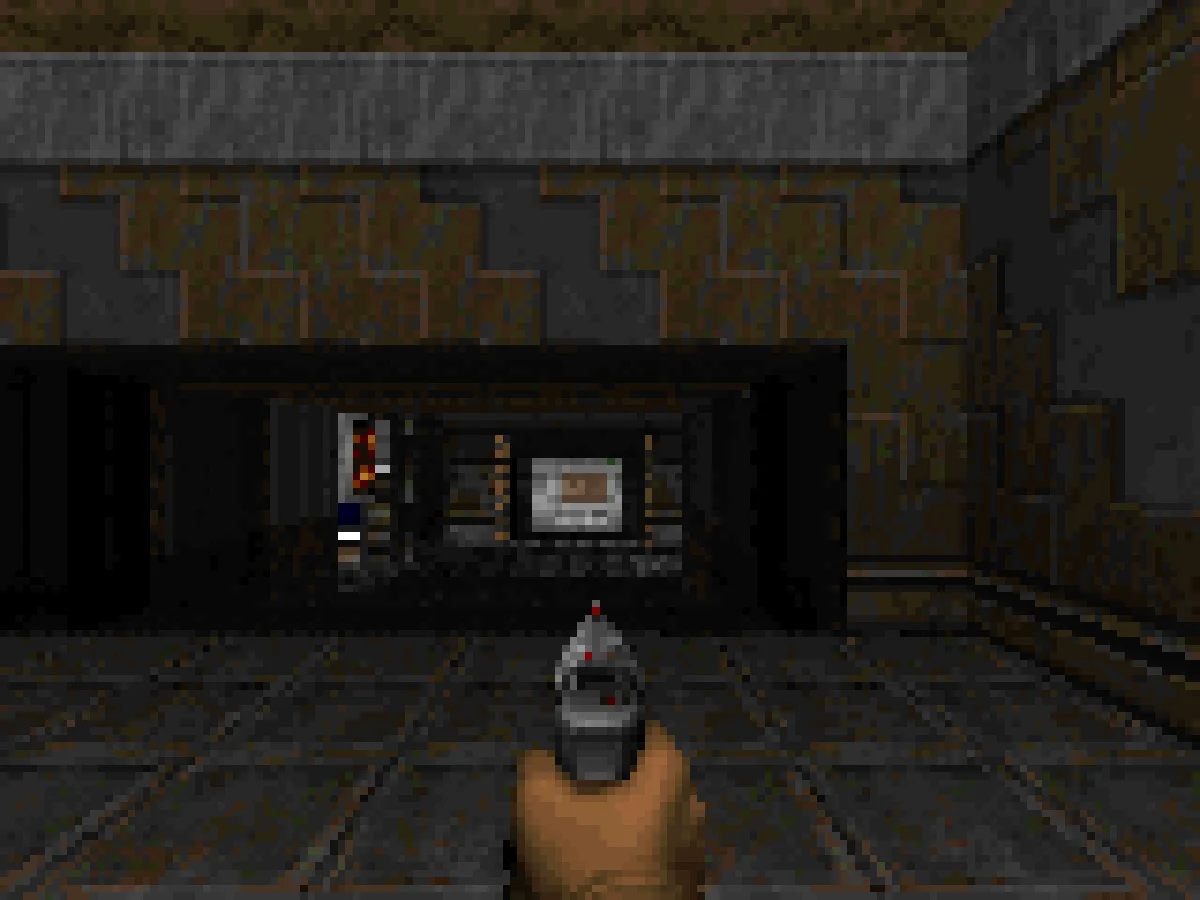
Can a neural player finish a 3D level using only pixels and memory?
Status: Research paused · reliable-player goal unmet
340 / 400 level completions85% on familiar MAP01, 0/40 on unfamiliar MAP02. Research paused; the reliable-player goal remains unmet. This is a MAP01 specialist, not a completed campaign.
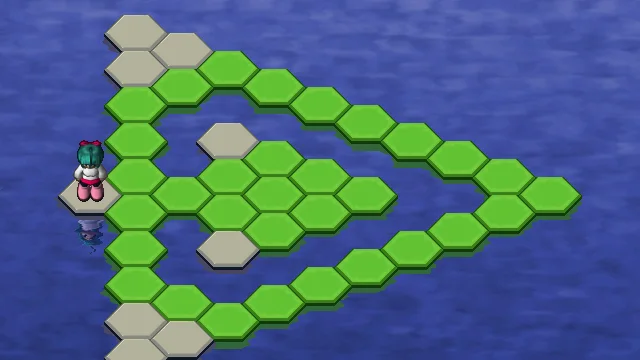
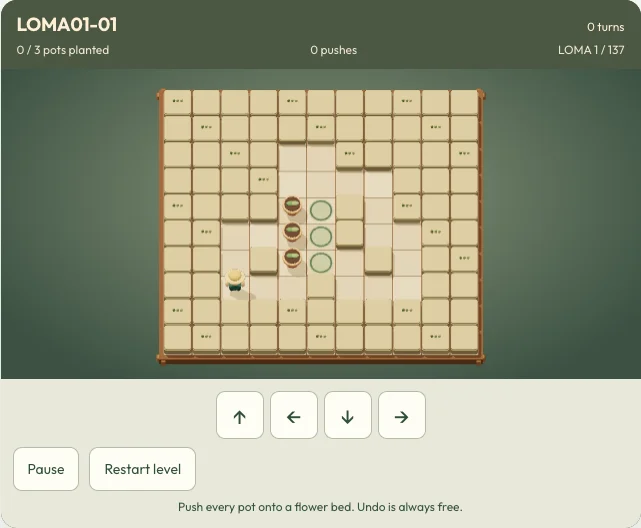
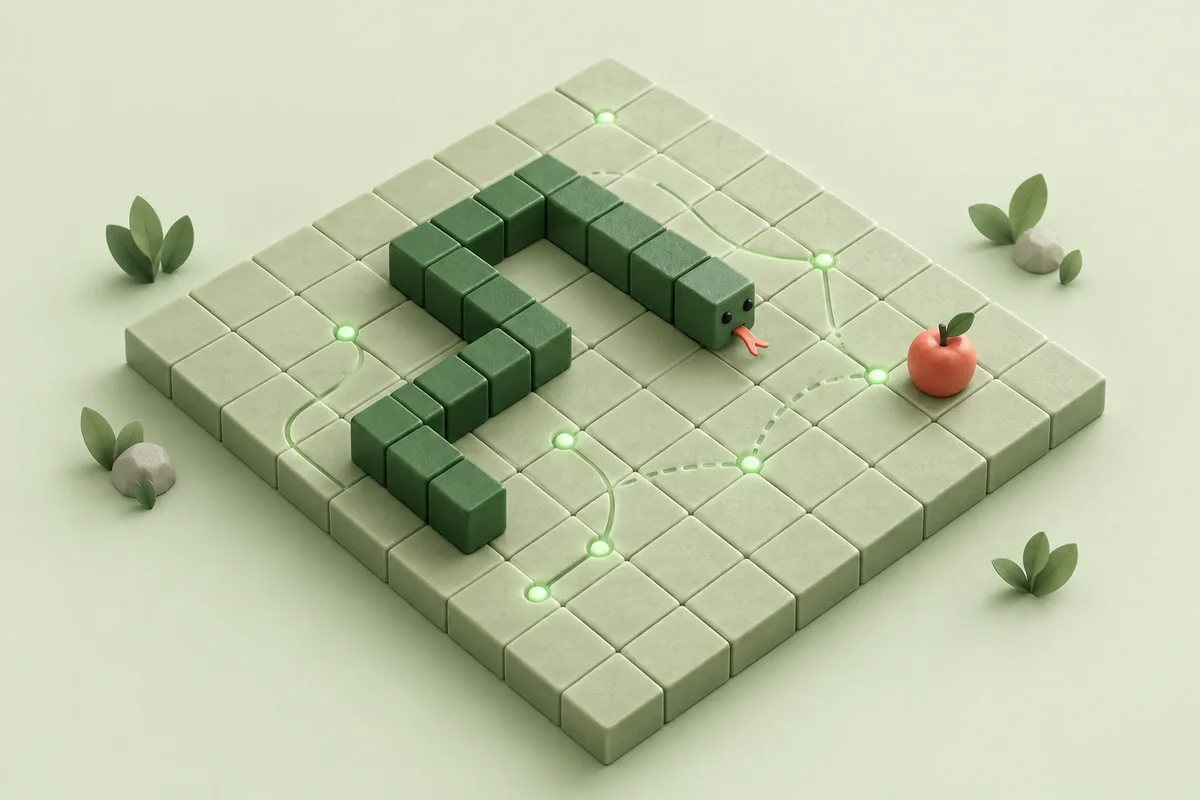
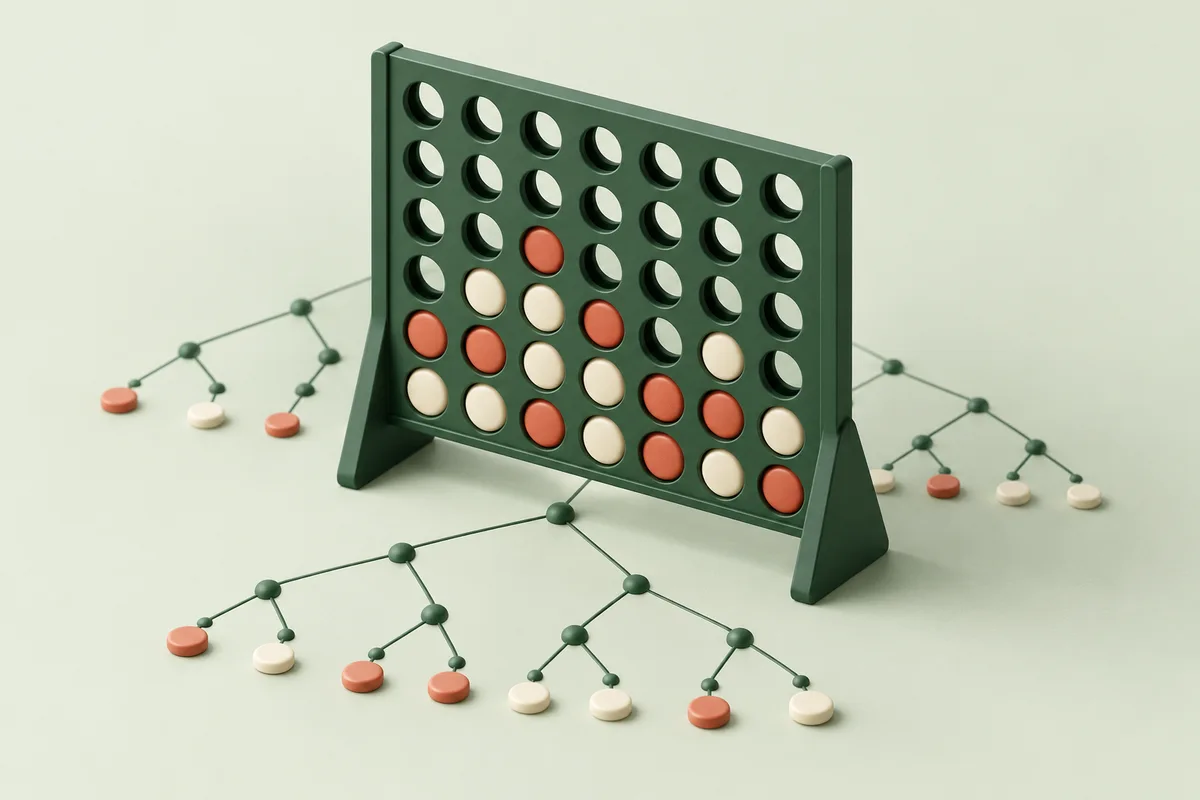
Define success in the game before choosing a training recipe. Snake needs to fill the whole board; Connect Four needs strong moves at a fair thinking budget; Freedoom needs real level exits. Sokoban first needs a complete, verified puzzle campaign; exact search already solves this collection. Hex-a-Hop has 100 verified routes, with published assistance for the final unresolved puzzle. Lower loss or more collected rewards can help diagnose training, but neither replaces those outcomes.
Describe the whole player honestly. Snake uses engineered features and expert demonstrations. Connect Four gains much of its strength from search. The selected Freedoom model learns from demonstrations and plays with pixels and memory, but has not met its reliability goal. Separate learning, planning and assistance so each result means something.
Keep fresh evaluation separate from fitting, retain failures, and stop when the next run has no specific hypothesis or budget. A clear, verified demonstration can be a useful learning product even when the research target remains unmet.
Each page brings the training story, explanations, results and source reports together. Terms are explained where you first need them.